

The Hidden Chapter: Jeffrey Dahmer's Military Service - Part 1
Discover the untold story of Jeffrey Dahmer's puzzling military career and what it hides.

Before he was the ‘‘Milwaukee Cannibal,’’ Jeffrey Dahmer was a U.S. Army combat medic. While most people know the ‘horrific’ details of his alleged crimes, few have ever looked closely at the two years he spent in uniform.
What happened during those crucial years? And why did he receive an honorable discharge despite mounting personal problems?
In this two-part investigation, we will unearth the hidden records of his service, revealing a startling perspective on a man who, decades later, continues to horrify and fascinate.
Join us as we explore the little-known facts of his military story - secrets that shed a grim new light on the man behind the ‘monster’, and perhaps, the real truth about Jeffrey Dahmer.
From College Dropout to Combat Medic
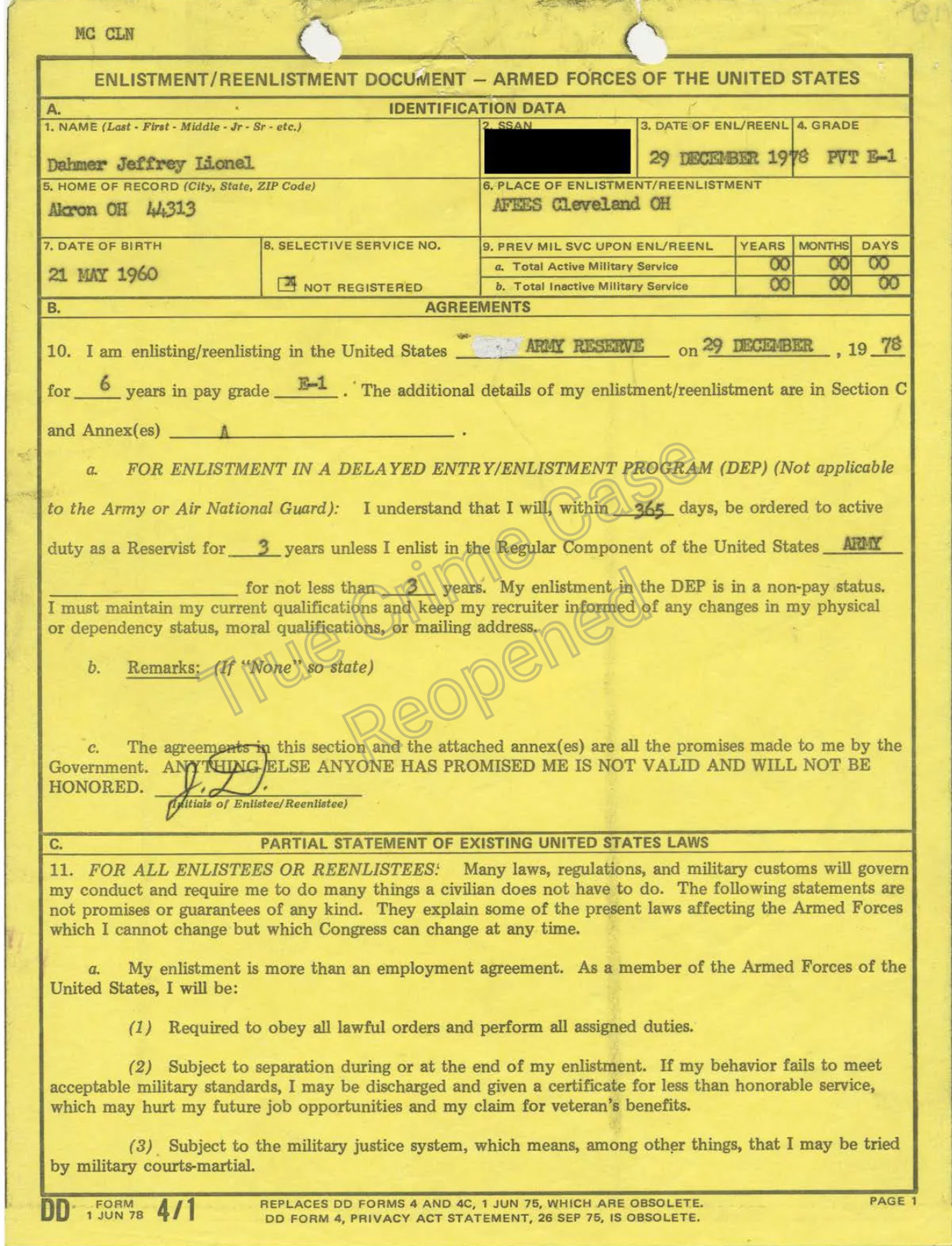
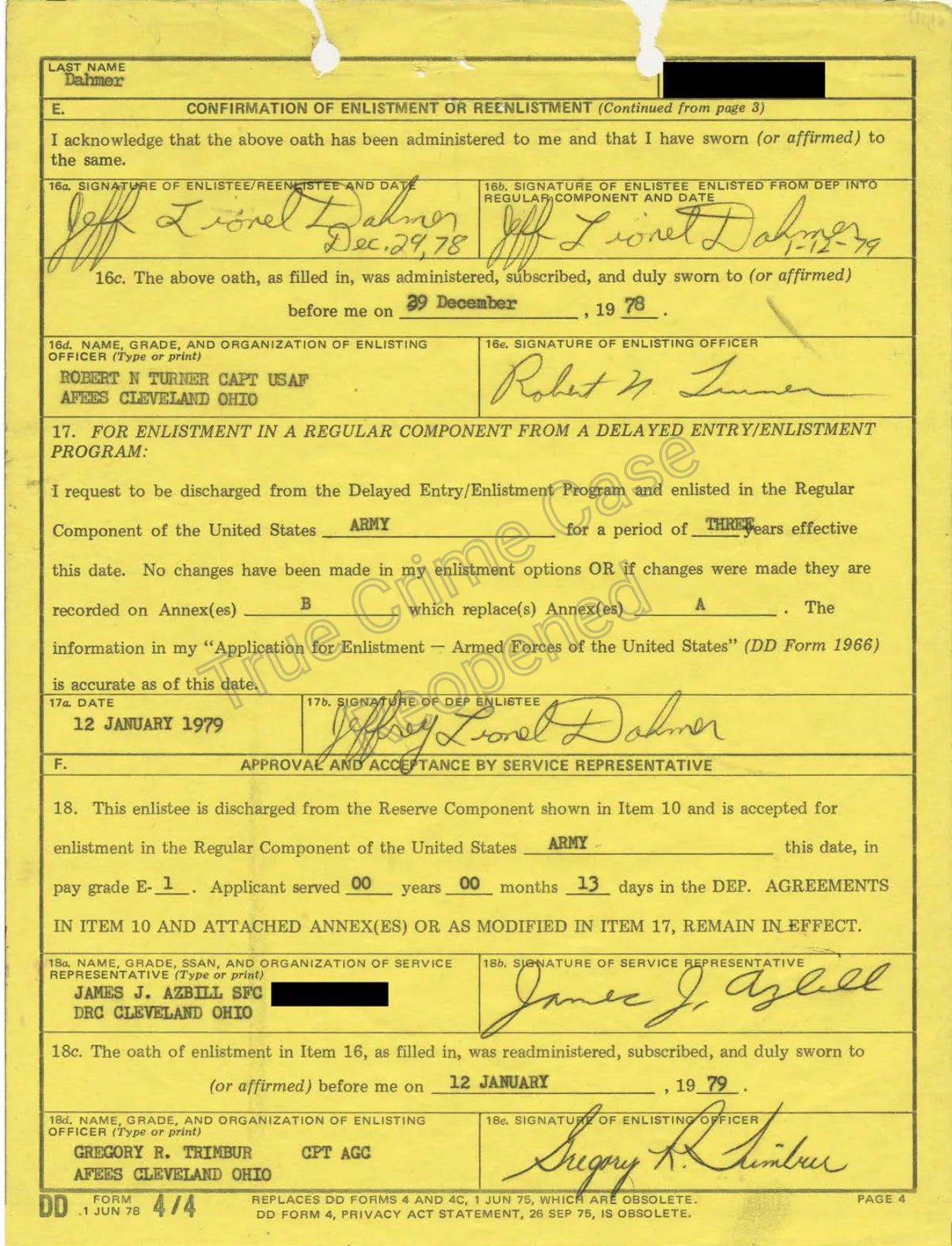
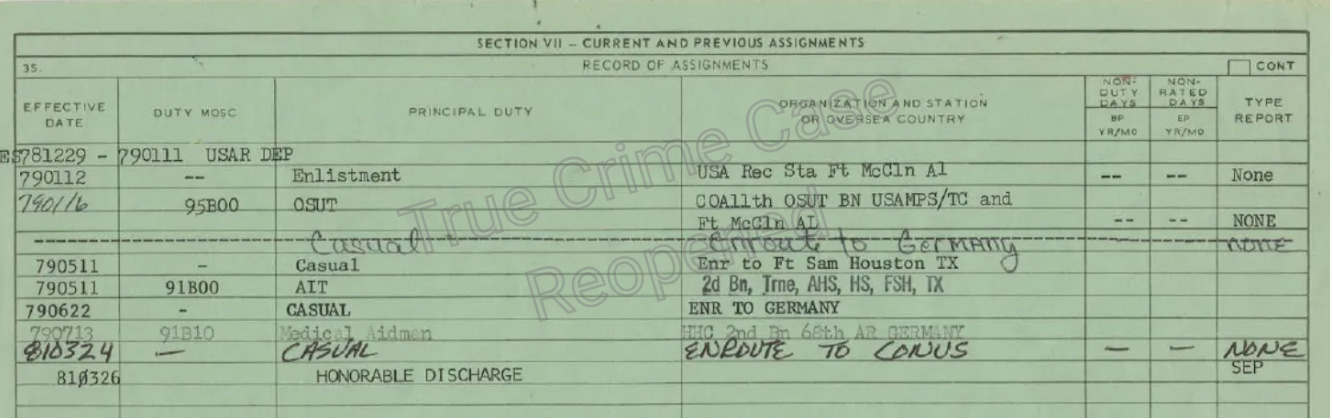
On December 29, 1978, after flunking out of Ohio State University due to poor grades and excessive drinking, 18-year-old Jeffrey Dahmer made a decision that would surprise many: he enlisted in the U.S. Army. Initially assigned to military police, Dahmer was quickly reassigned to Fort Sam Houston in Texas for medical specialist training.
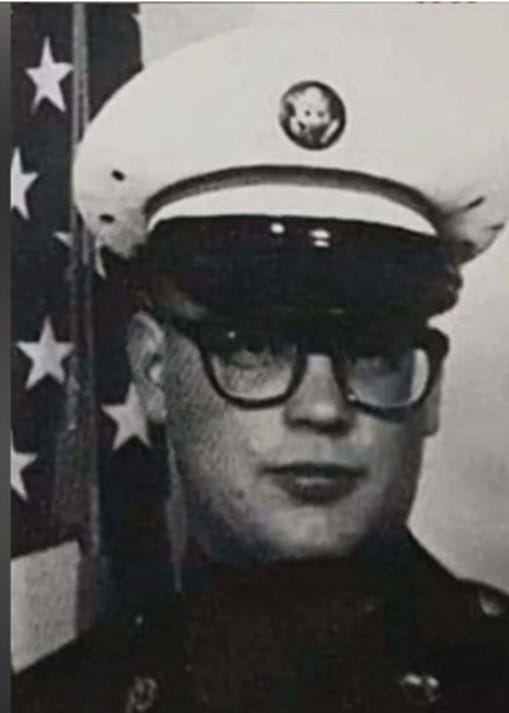
The irony is striking. A young man who couldn’t handle college life was now training to become a combat medic - a role requiring discipline, focus, and the ability to save lives rather than ‘take’ them.
Life in Germany: A Medic with a Dark Secret
In July 1979, Dahmer was stationed in Baumholder, West Germany, where he served as a combat medic in the 2nd Battalion, 68th Armor Regiment, for nearly two years. His military evaluations painted the picture of an average soldier - competent enough to do his job, but nothing exceptional.
However, beneath the surface, Dahmer’s alcohol dependency was escalating. The same drinking problem that had derailed his college career followed him across the Atlantic, becoming what military records would later describe as his ‘‘Achilles’ heel.’’
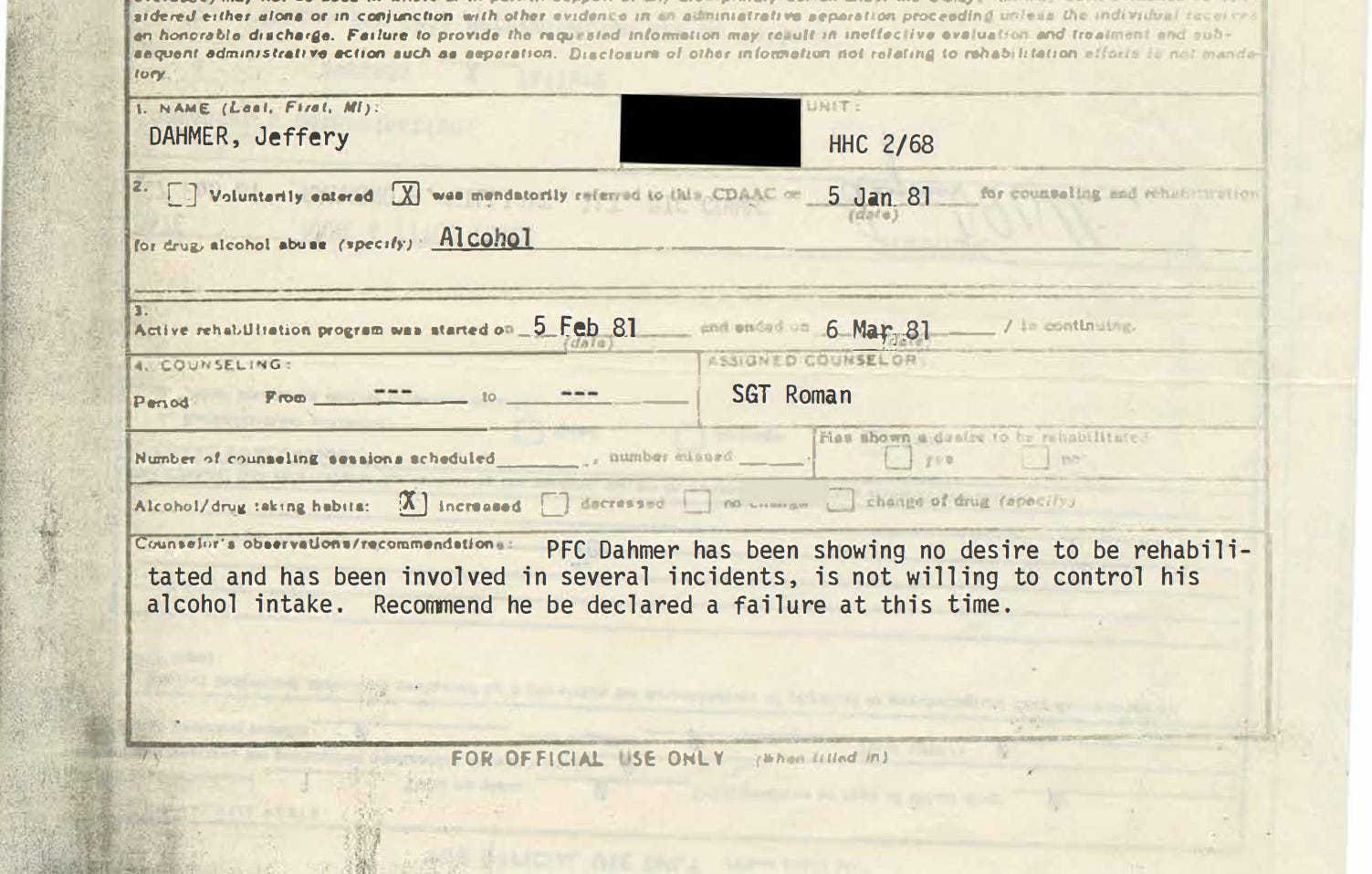
Digging into his military files unveils a disturbing detail: his mandatory referral to an Alcohol and Drug Abuse Prevention and Control Program. He entered the program on February 5, 1981, battling alcohol abuse, but a progress report just a month later, on March 6, 1981, painted an even bleaker picture, starkly noting an increase in his drinking.
His counselor, SGT Roman, observed a concerning lack of rehabilitation desire, involvement in ‘‘several incidents,’’ and an unwillingness to control his intake, ultimately recommending Dahmer be declared a ‘‘failure at this time.’’
This sheds light on his significant struggles with addiction and non-compliance during his military service.
What transforms a quiet, intelligent young man into someone tormented by inner demons and driven to drown them in a bottle?
The answer, a chilling whisper from his past, may lie buried in that single, devastating moment in 1978. It was then, we learn, that Jeff was involved in what evidence suggests was an accidental death - a secret so profound that his own family, in a desperate act, helped to conceal it.
This wasn’t just a physical act of hiding a truth; it was a psychological wound that festered, shaping the quiet facade he showed the world and setting him on a devastating new path.
The Mysterious Honorable Discharge
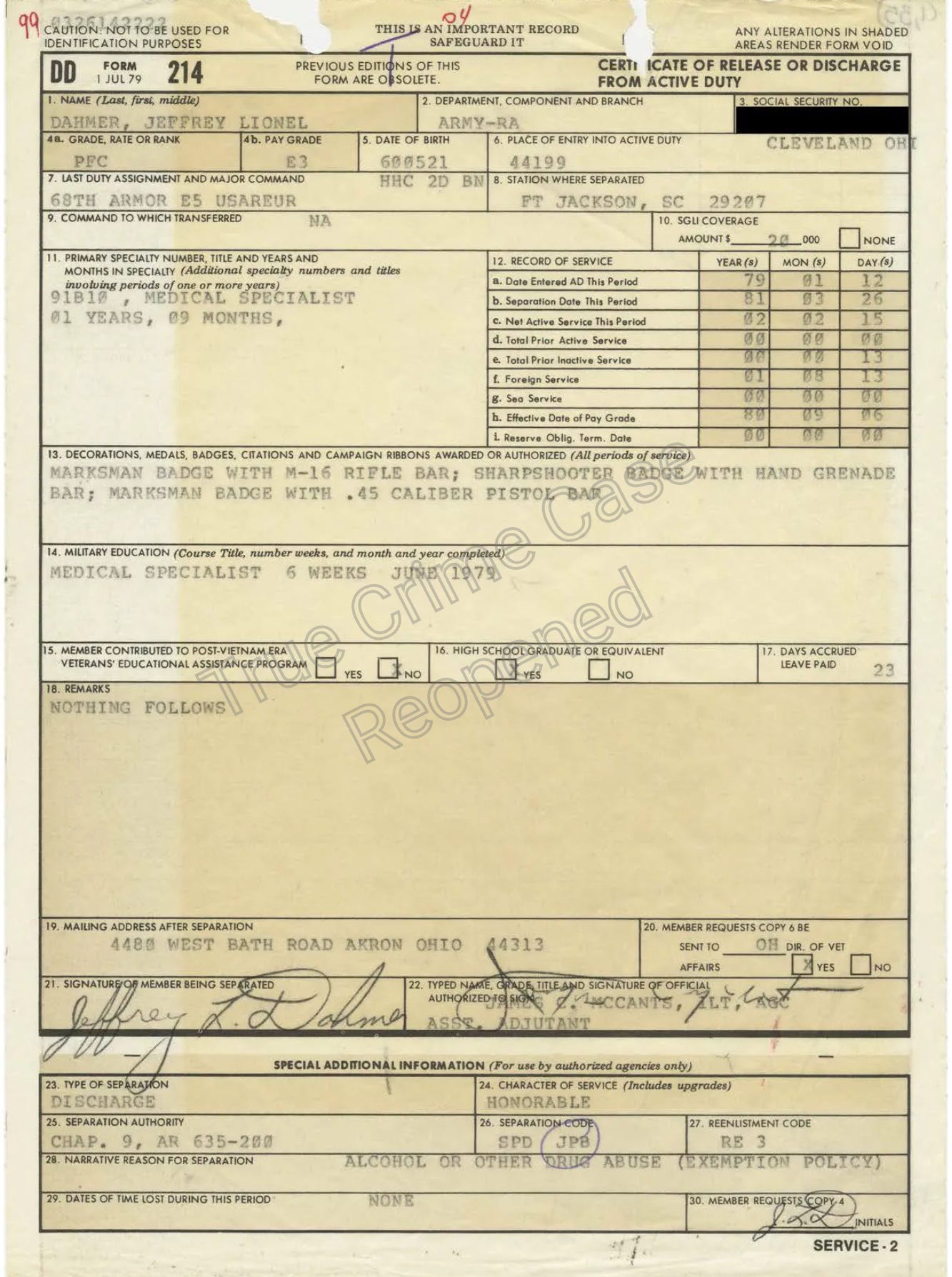
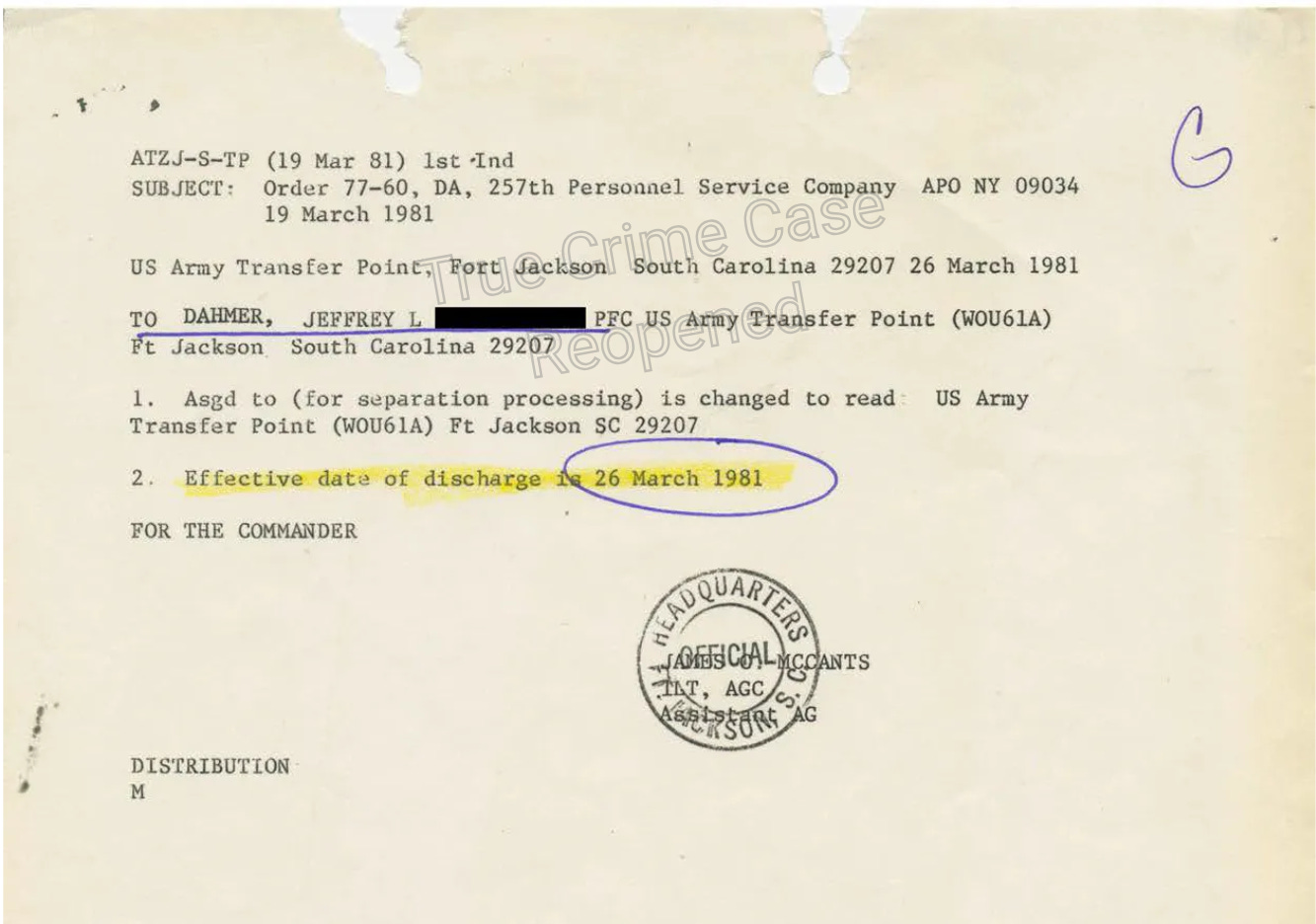
Here’s where Dahmer’s military story becomes truly puzzling. In March 1981, just nine months short of completing his three-year enlistment, Jeffrey Dahmer received an honorable discharge from the U.S. Army.
This wasn’t a medical discharge or a disciplinary action. An honorable discharge is typically reserved for soldiers who serve with distinction or complete their terms satisfactorily.
According to military records, despite his growing alcohol problems, his superiors determined that these issues ‘‘did not impair his duty enough to warrant less than an honorable departure.’’
Answering the Unanswered Questions
Several disturbing questions emerge from Dahmer’s military service that shatter the convenient mythology:
Why the early discharge? If Dahmer was performing adequately, why release him nine months early? Although military sources suggest his alcohol dependency was becoming increasingly problematic, it was not enough to warrant disciplinary action.
This allowed him to leave the service without the stigma of a dishonorable discharge, which would have carried significant legal and social repercussions.
Were there warning signs? Some former soldiers have claimed that Dahmer’s behavior toward fellow service members ‘‘crossed the line on multiple occasions,’’ though no official complaints were ever filed.
How did he pass military screening? Here’s the kicker that demolishes every excuse: Dahmer successfully completed all aptitude and psychological tests required for enlistment, demonstrating the mental acuity needed to serve as a combat medic. This directly contradicts later claims about his mental state.
Let’s talk about what it actually takes to get into the military. The U.S. Armed Forces have spent nearly fifty years perfecting the art of weeding out people who can’t handle the job. According to the official ASVAB website’s section on History of Military Testing:
‘‘For almost half a century, the U.S. military has been a pioneer in the use of aptitude tests to select individuals with sufficient skills and abilities to absorb military training, adjust to military life, and become successful military members. From Army Alpha and Beta to the CAT-ASVAB, the Services have been on the cutting edge of testing technology.’’ 1
This isn’t some community college entrance exam we’re talking about. This is a battery of tests designed by military psychologists to identify everything from cognitive ability to psychological stability. They’re looking for people who can function under extreme stress, follow complex orders, and - here’s the crucial part - make life-and-death decisions as medics.
So let’s be clear: Jeffrey Dahmer passed rigorous psychological and aptitude testing designed by some of the most sophisticated minds in military assessment. He wasn’t some damaged, mentally incompetent individual stumbling through life.
He was intelligent, capable, and fully aware of his actions, which makes everything that we are told came after all the more puzzling.
And here’s where the narrative starts to crack: how does this align with the later claims made about Dahmer’s ‘‘mental’’ state - claims that persist to this day? The reality? They do not align because it is not a true story.

What's Coming in Part 2
While Part 1 has shed light on Jeffrey Dahmer’s unexpected military service and the psychological demons that haunted him, the full truth remains obscured. We’ve unearthed the perplexing details of his honorable discharge and the stark contradiction between his military performance and the later narratives about his mental state.
But the deeper questions - what truly happened in Germany, and what did his superiors really know - are yet to be answered. In Part 2 of this investigation, we’ll dive deeper into the military history that paints a drastically different picture of his final months in uniform.
Don’t miss Part 2, where we’ll continue to challenge the official story and get closer to the real truth behind one of history’s most notorious figures. The rabbit hole goes deeper than anyone imagined, and the implications reach far beyond one troubled young man’s military service.
PART 2 DROPS SOON - Subscribe now so you don’t miss the bombshell revelations
What do you think really happened during Dahmer’s final months in Germany? Share your theories in the comments below - your insights might hold the key to unlocking the next piece of this puzzle.
History of Military Testing | ASVAB (Armed Services Vocational Aptitude Battery)
As I saw in a documentary somewhere, apparently, he tried to rape two fellow soldiers during his military service.
I was in the military around that same time.
No one gets an Honorable and gets out before their enlistment is up and if they did their discharge would be other than honorable.